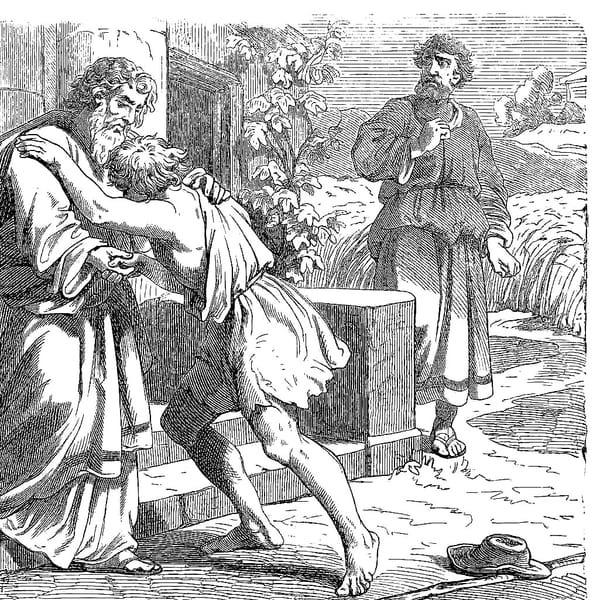
For Give

Forgiveness is one of those words that sounds beautiful until life tests it. We are encouraged to forgive quickly, fully, and without conditions, as if doing so is the ultimate measure of emotional maturity. But real life is rarely that simple. People hurt us in ways that are small and accidental, and in ways that are deep, intentional, and lasting. Treating all of it the same does more harm than good.
El perdón es una de esas palabras que suenan hermosas hasta que la vida las pone a prueba. Se nos anima a perdonar rápida, completamente y sin condiciones, como si hacerlo fuera la máxima expresión de la madurez emocional. Pero la vida real rara vez es tan simple. Las personas nos hieren de formas pequeñas y accidentales, y también de maneras profundas, intencionales y duraderas. Tratar todo de la misma manera hace más daño que bien.
Przebaczenie to jedno z tych słów, które brzmią pięknie, dopóki życie nie wystawi go na próbę. Zachęca się nas do szybkiego, pełnego i bezwarunkowego przebaczania, jakby było to najwyższą miarą dojrzałości emocjonalnej. Jednak prawdziwe życie rzadko bywa tak proste. Ludzie ranią nas zarówno w sposób drobny i niezamierzony, jak i głęboki, celowy oraz długotrwały. Traktowanie wszystkiego w ten sam sposób przynosi więcej szkody niż pożytku.
Forgiveness is often presented as something noble, pure, and absolute. A virtue reserved for the spiritually evolved. We are told that forgiving is the highest form of strength, that it brings peace, that it sets us free. And while all of that can be true, it is also incomplete. Because forgiveness is not simple. And it is definitely not universal. In daily life, forgiveness shows up in small, quiet moments. A harsh word spoken in stress. A disappointment that was not intentional. A misunderstanding that grew bigger than it needed to be. These are the places where forgiveness matters most. Not as a grand gesture, but as a daily hygiene of the soul. Without it, resentment piles up. Irritation hardens.
But forgiveness is often misunderstood as something we owe to others, to morality, or to peace itself. And that is where things get dangerous. Because not everything can be forgiven. There are actions that cross a line. Betrayals that permanently alter trust. Violence, abuse, deep violations of dignity. To suggest that all of these must be forgiven is not wisdom, it is pressure. Sometimes even cruelty disguised as spirituality. You are allowed to say: This was unforgivable. Naming something as unforgivable is not a failure. It is clarity.
The goal is not moral perfection.
The goal is not to be endlessly understanding.
The goal is to stay free inside.
However, here is where a different kind of strength comes in: even when something is unforgivable, it does not need to be carried forever. Letting go is not the same as forgiving. Forgiveness often implies reconciliation, moral release, or emotional resolution. Letting go is quieter. It means refusing to let what happened continue to poison your inner world. It means deciding that the event, the person, or the harm will not be given unlimited rent-free space in your thoughts, your nervous system, or your future choices. Letting go is not saying “it was okay.” It is saying, “I will not let this define me.”
Holding onto rage, bitterness, or obsession (especially when justice, apology, or repair will never come) can become a form of self-intoxication. Not because the pain was not real, but because it keeps circulating without an exit. Over time, it changes how we see others. How we trust. How we love. How we show up in our own lives. In daily life, this balance matters. Forgive what is human. Release what is heavy. Draw boundaries where necessary. Walk away when needed. Protect your peace without rewriting your truth. Forgiveness, when it is genuine, should feel expansive, not forced. And letting go should feel like choosing yourself, not betraying your pain. Forgive when you can, name the unforgivable when you must, and let go of what would otherwise intoxicate your life. That, too, is a form of wisdom.