Prodigal Son

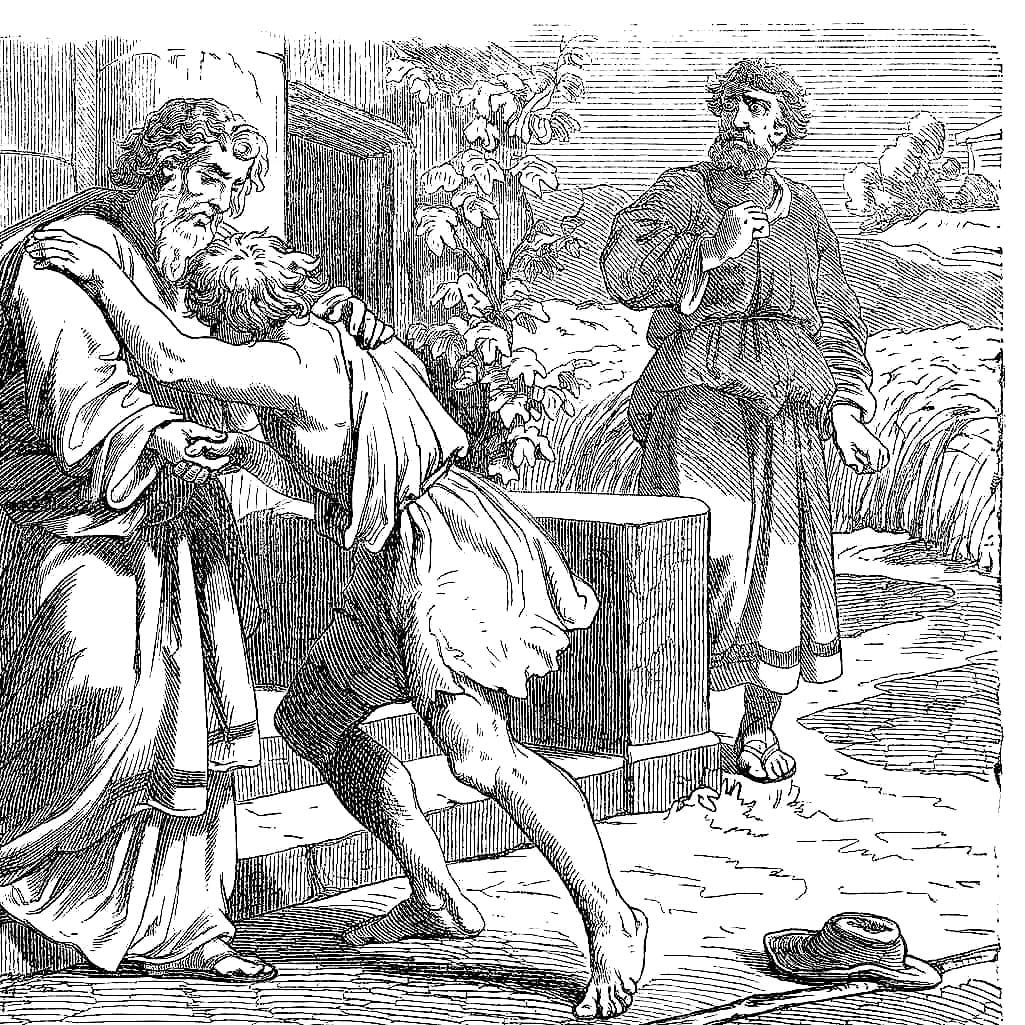
Few stories in the Bible capture the depth of forgiveness and unconditional love as powerfully as the Parable of the Prodigal Son. Told by Jesus in the Gospel of Luke, this timeless story follows a young man who demands his inheritance, wastes it on reckless living, and eventually returns home in shame. Instead of punishment, he receives something unexpected: compassion, forgiveness, and a joyful welcome.
Pocas historias en la Biblia capturan la profundidad del perdón y del amor incondicional con tanta fuerza como la Parábola del Hijo Pródigo. Contada por Jesús en el Evangelio de Lucas, esta historia atemporal sigue a un joven que exige su herencia, la desperdicia en una vida desenfrenada y finalmente regresa a casa lleno de vergüenza. En lugar de castigo, recibe algo inesperado: compasión, perdón y una alegre bienvenida.
Niewiele historii w Biblii ukazuje głębię przebaczenia i bezwarunkowej miłości tak poruszająco jak przypowieść o Synu Marnotrawnym. Opowiedziana przez Jezusa w Ewangelii Łukasza, ta ponadczasowa historia przedstawia młodego człowieka, który żąda swojego dziedzictwa, trwoni je na lekkomyślne życie, a w końcu wraca do domu zawstydzony. Zamiast kary otrzymuje coś niespodziewanego: współczucie, przebaczenie i radosne powitanie.
The Story
There was once a man who had two sons. One day, the younger son went to his father and said:
“Father, give me the share of the inheritance that belongs to me.”
In those days this was shocking, because inheritance was normally given after the father died. But the father agreed. He divided his property and gave the younger son his portion. Soon after receiving the money, the younger son left home and traveled to a distant country. There he lived recklessly. He spent his money on wild living: parties, pleasures, and wasteful choices. Before long, he had spent everything. Then a severe famine struck the land, and he began to suffer great need. Desperate for work, he hired himself out to a local farmer, who sent him to feed pigs in the fields. The young man became so hungry that he longed to eat the food the pigs were eating, but no one gave him anything. At last, he came to his senses. He thought to himself:
“How many of my father’s servants have more than enough food, and here I am starving! I will go back to my father and say: ‘Father, I have sinned against heaven and against you. I am no longer worthy to be called your son. Treat me like one of your hired servants.’”
So he got up and returned home.
The Father’s Welcome
While the son was still far away, his father saw him coming. His heart was filled with compassion. The father ran to his son, embraced him, and kissed him. The son began his prepared speech:
“Father, I have sinned against heaven and against you. I am no longer worthy to be called your son.”
But the father interrupted and said to his servants:
- “Quick! Bring the best robe and put it on him.”
- “Put a ring on his finger.”
- “Put sandals on his feet.”
- “Bring the fattened calf and kill it. Let’s have a feast and celebrate!”
Then he explained why:
“For this son of mine was dead and is alive again;
he was lost and is found.”
And so the celebration began.
The Older Son
Meanwhile, the older son was working in the field. When he returned and heard music and dancing, he asked a servant what was happening.
The servant told him:
“Your brother has come home, and your father has killed the fattened calf because he has him back safe and sound.”
The older brother became angry and refused to go inside. His father came out and pleaded with him. But the older son said:
“All these years I have served you and never disobeyed your orders. Yet you never gave me even a young goat to celebrate with my friends. But when this son of yours comes back after wasting your money, you kill the fattened calf for him!”
The father replied gently:
“My son, you are always with me, and everything I have is yours.
But we had to celebrate and be glad, because this brother of yours was dead and is alive again; he was lost and is found.”
Meaning of the Parable
The story teaches several key lessons:
- God’s mercy is greater than our mistakes.
- Anyone who sincerely returns can be forgiven.
- Love welcomes the lost rather than condemning them.
- Jealousy and self-righteousness can blind us to grace.
The father in the story represents unconditional love and forgiveness, always ready to welcome someone who returns with a humble heart.