Ocean Cleanup

Every year, hundreds of thousands of tons of plastic enter the oceans, primarily from rivers. The plastic that is afloat within the oceans is not going away by itself. To effectively solve the problem, we need to both halt the trash flow from rivers, and remove legacy plastics from the oceans at the same time. The Ocean Cleanup, a non-profit organization, is developing and scaling technologies to rid the world’s oceans of plastic. Their aim is to put ourselves out of business.
Cada año, cientos de miles de toneladas de plástico entran en los océanos, principalmente a través de los ríos. El plástico que flota en los océanos no va a desaparecer por sí solo. Para resolver eficazmente el problema, necesitamos tanto detener el flujo de basura procedente de los ríos como retirar al mismo tiempo los plásticos heredados que ya se encuentran en los océanos. The Ocean Cleanup, una organización sin fines de lucro, está desarrollando y ampliando tecnologías para liberar a los océanos del mundo del plástico. Su objetivo es dejar de ser necesarios.
Każdego roku setki tysięcy ton plastiku trafiają do oceanów, głównie za pośrednictwem rzek. Plastik unoszący się na powierzchni wód nie zniknie sam z siebie. Aby skutecznie rozwiązać ten problem, musimy jednocześnie zatrzymać dopływ odpadów z rzek oraz usunąć zalegające już w oceanach tworzywa sztuczne. The Ocean Cleanup, organizacja non profit, opracowuje i wdraża na szeroką skalę technologie mające na celu oczyszczenie oceanów świata z plastiku. Ich celem jest doprowadzenie do sytuacji, w której przestaniemy być potrzebni.
Big problems require big solutions.
At 16, Boyan Slat saw more plastic bags than fish while scuba diving in Greece. He asked himself: “Why can’t we just clean this up?” That question sparked a school project that became The Ocean Cleanup. In 2012, his TEDx talk went viral, giving him the momentum to leave school and focus on solving ocean plastic pollution.
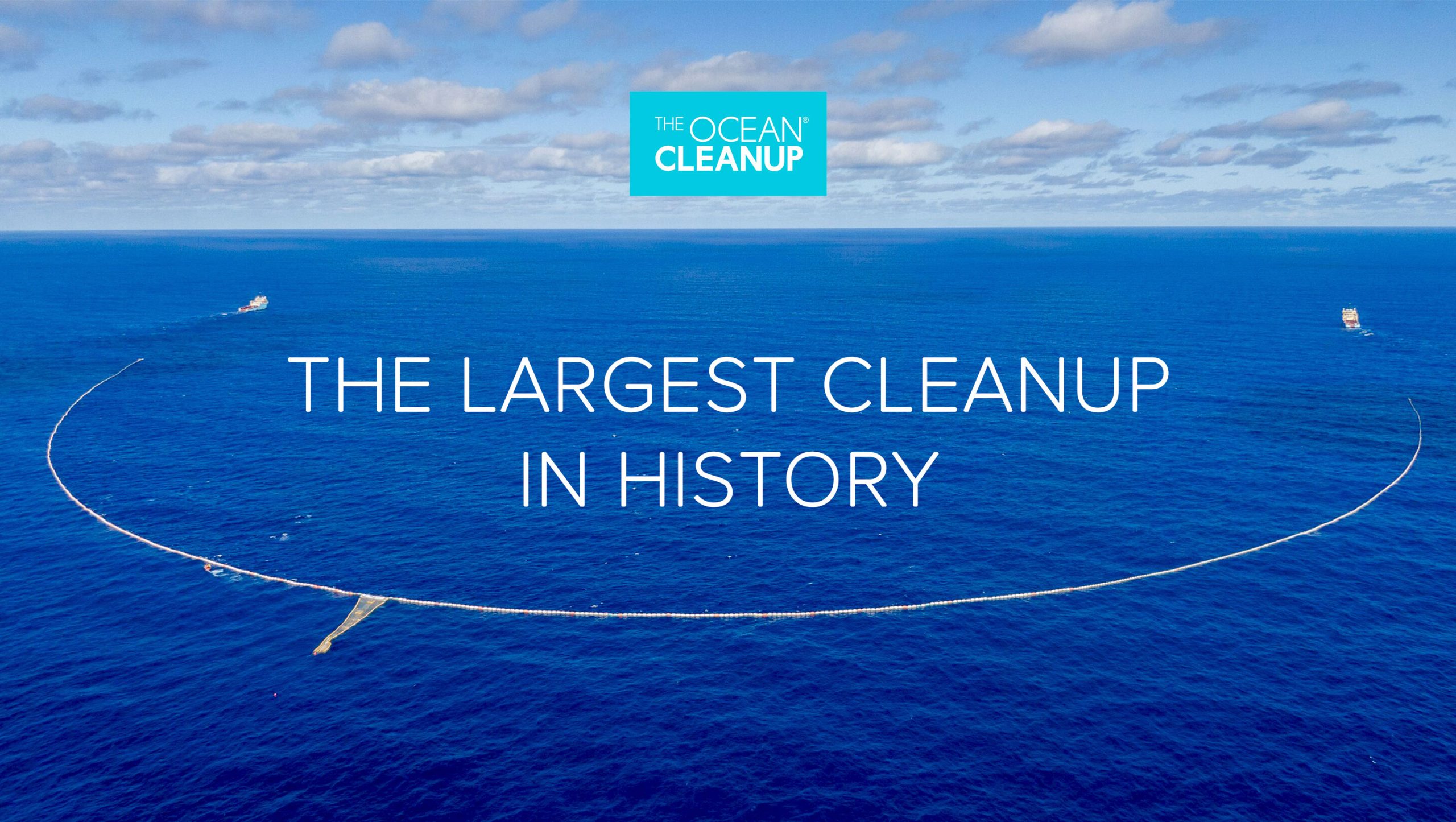
Today, The Ocean Cleanup tackles plastic both at sea and at its source. Systems intercept plastic in rivers before it reaches the ocean, while ocean-cleanup technologies remove debris that has been building for decades. Once in the ocean, plastic slowly fragments into microplastics, which are even harder to remove and mistaken for food by marine life. Cleaning the oceans is not easy. By using a speed difference between the cleanup system and drifting plastic, The Ocean Cleanup concentrates debris for extraction and recycling. In 2019, plastic collected by System 001/B was even turned into the first Ocean Cleanup Sunglasses.
Rivers matter too: 1,000 rivers—just 1% of the world’s total—carry 80% of land-based ocean plastic. The Ocean Cleanup’s Interceptors are designed to tackle these rivers, working with governments, companies, and communities worldwide. The mission is clear: reduce floating ocean plastic by 90% by 2040.
- 🇵🇭 — by far the largest contributor, with thousands of rivers collectively releasing the most plastic into the ocean.
- 🇮🇳 — many rivers contribute significant amounts of plastic emissions.
- 🇲🇾 — a relatively high fraction of mismanaged plastic reaches the sea.
- 🇮🇩 — large numbers of river sources on many islands.
- 🇨🇳 — large number of rivers emitting plastic, though a smaller fraction of total mismanaged waste reaches the ocean compared with some smaller coastal countries.

Global Partners
These are long-term partners providing significant funding and in-kind support:
- The Dutch Ministry of Infrastructure and Environment
- Deloitte
- Kia
- Societe Generale
Mission Partners
These often appear in their broader funding and support acknowledgements:
- Coldplay
- The Coca-Cola Company
- Hyundai Glovis
- Nokia
- AKD
- YP Foundation
- Macquarie Group
- A.P. Moller Group
- Chellaram Foundation
- Marine Conservation Society
Academic Partners
These support research on ocean plastics, modeling, and cleanup efficacy:
- Royal Netherlands Institute for Sea Research (Netherlands)
- Wageningen University & Research (Netherlands)
- Utrecht University (Netherlands)
- TU Delft (Netherlands)
- Centre for Marine Socioecology (Australia)
- Institute for Marine and Antarctic Studies (Australia)
- Hawaii Pacific University (USA)
- PADI AWARE Foundation (UK)
- Universitat de Barcelona (Spain)
- Université de la Réunion (France)
- University of Oldenburg (Germany)
- University of KwaZulu-Natal (South Africa)
- Chulalongkorn University (Thailand)
- INTEC (Dominican Republic)