Nelson Mandela

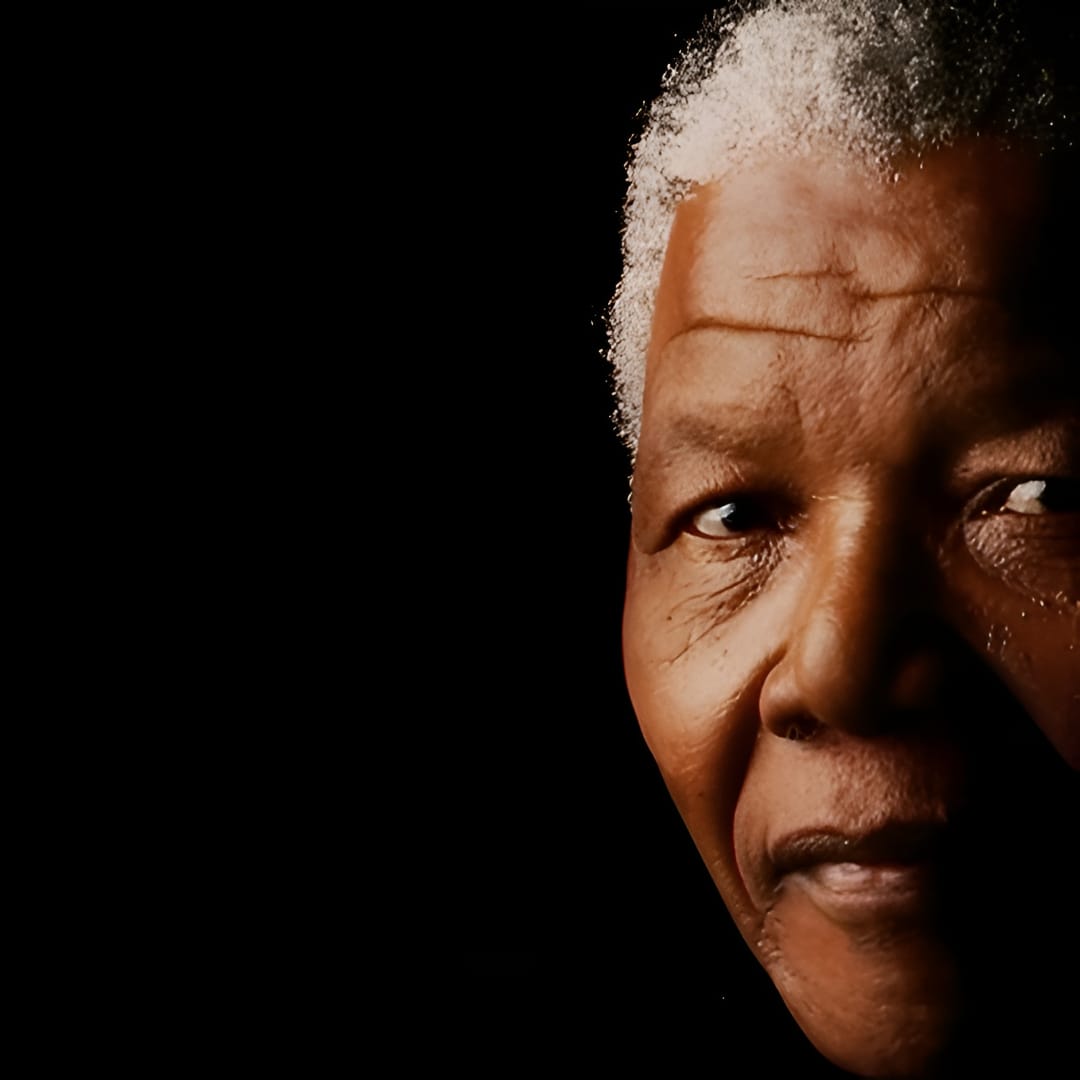
Few figures in modern history symbolize courage, resilience, and forgiveness as powerfully as Nelson Mandela. Born into a deeply divided South Africa, Mandela devoted his life to dismantling a system of racial oppression and building a democratic nation where people of all races could live together as equals. His journey, from rural childhood to political prisoner to president, remains one of the most inspiring stories of leadership in the XX century.
Pocas figuras en la historia moderna simbolizan el coraje, la resiliencia y el perdón con tanta fuerza como Nelson Mandela. Nacido en una Sudáfrica profundamente dividida, Mandela dedicó su vida a desmantelar un sistema de opresión racial y a construir una nación democrática donde personas de todas las razas pudieran vivir juntas como iguales. Su trayectoria, desde una infancia rural hasta prisionero político y luego presidente, sigue siendo una de las historias de liderazgo más inspiradoras del siglo XX.
Niewiele postaci we współczesnej historii symbolizuje odwagę, odporność i przebaczenie tak silnie jak Nelson Mandela. Urodzony w głęboko podzielonej Republice Południowej Afryki, Mandela poświęcił swoje życie demontażowi systemu ucisku rasowego oraz budowie demokratycznego państwa, w którym ludzie wszystkich ras mogliby żyć razem jako równi. Jego droga, od dzieciństwa na wsi, przez więźnia politycznego, aż po prezydenta, pozostaje jedną z najbardziej inspirujących historii przywództwa XX wieku.
Early Life and Awakening
Nelson Mandela was born on July 18, 1918, in the small village of Mvezo in South Africa’s Eastern Cape. Raised in a traditional Thembu royal family, he was given the birth name Rolihlahla, often translated as “troublemaker.” Although his family lived modestly, his guardians recognized his intelligence and ensured he attended mission schools, where he received a Western-style education. While studying law in Johannesburg, Mandela became increasingly aware of the injustices faced by Black South Africans under apartheid. These experiences awakened his political consciousness and inspired him to devote his life to challenging inequality and fighting for justice.
The Fight Against Apartheid
Mandela joined the African National Congress (ANC) in 1944 and soon became one of its most energetic organizers. Together with other young activists, he helped establish the ANC Youth League, which encouraged stronger and more direct opposition to apartheid laws. During the 1950s, Mandela participated in campaigns of civil disobedience, protests, and strikes aimed at challenging racial segregation. When peaceful demonstrations were met with harsh repression, Mandela and his colleagues reconsidered their strategy. He later helped organize armed resistance through Umkhonto we Sizwe, believing stronger action was necessary to end the oppressive system.
27 Years in Prison
In 1962, Mandela was arrested by South African authorities and later sentenced to life imprisonment during the famous Rivonia Trial. In a historic speech from the courtroom, he declared that he was prepared to die for the ideal of a democratic and free society. Mandela ultimately spent 27 years in prison, most of them on Robben Island. Despite harsh conditions, forced labor, and limited contact with the outside world, he refused to abandon the struggle against apartheid. Over time, Mandela became a powerful global symbol of resistance, inspiring international movements demanding justice and his release.
Freedom + Leadership
In 1990, after decades of imprisonment and growing international pressure, Mandela was finally released from prison. His freedom followed negotiations between the apartheid government and anti-apartheid leaders seeking a peaceful transition. Instead of calling for revenge, Mandela emphasized reconciliation, cooperation, and national unity. His calm leadership helped guide South Africa through a delicate and uncertain political transformation. In 1994, the nation held its first democratic election open to citizens of all races. Mandela won the presidency and became South Africa’s first Black head of state, marking a historic moment in the country’s history.
A Legacy of Forgiveness
One of Mandela’s most remarkable qualities was his commitment to forgiveness and reconciliation. After decades of injustice and oppression, many feared the country would descend into revenge and division. Instead, Mandela encouraged healing and dialogue between previously divided communities. A key step was the creation of the Truth and Reconciliation Commission, which investigated past human rights abuses while promoting understanding rather than widespread punishment. Mandela served only one term as president and then stepped down voluntarily, reinforcing democratic values. His actions demonstrated that leadership can be guided by humility, restraint, and a genuine commitment to national unity.
Why Mandela Still Matters Today
Nelson Mandela’s life continues to offer powerful lessons about perseverance, justice, and moral courage. He demonstrated that determined individuals can challenge even the most entrenched systems of oppression. Mandela also showed that true leadership requires compassion, patience, and a willingness to forgive. His example reminds people around the world that political change is possible when citizens unite for a just cause. Even years after his death (December 5, 2013), Mandela remains a symbol of hope for movements fighting inequality and discrimination. His story encourages new generations to defend human dignity and work toward a more fair and inclusive world.
What Is the Mandela Effect
The Mandela Effect highlights how human memory can sometimes differ from recorded reality. The term was inspired by the widespread belief that Nelson Mandela died in prison decades before he actually did. This shared misremembering sparked curiosity about how groups of people can recall the same incorrect details. Psychologists explain the phenomenon through concepts such as false memories, social reinforcement, and the brain’s tendency to reconstruct information rather than store it perfectly. The effect reminds us that memory is not a flawless archive but an active and sometimes imperfect process. It encourages people to question assumptions, verify information, and better understand how the human mind shapes our perception of reality.