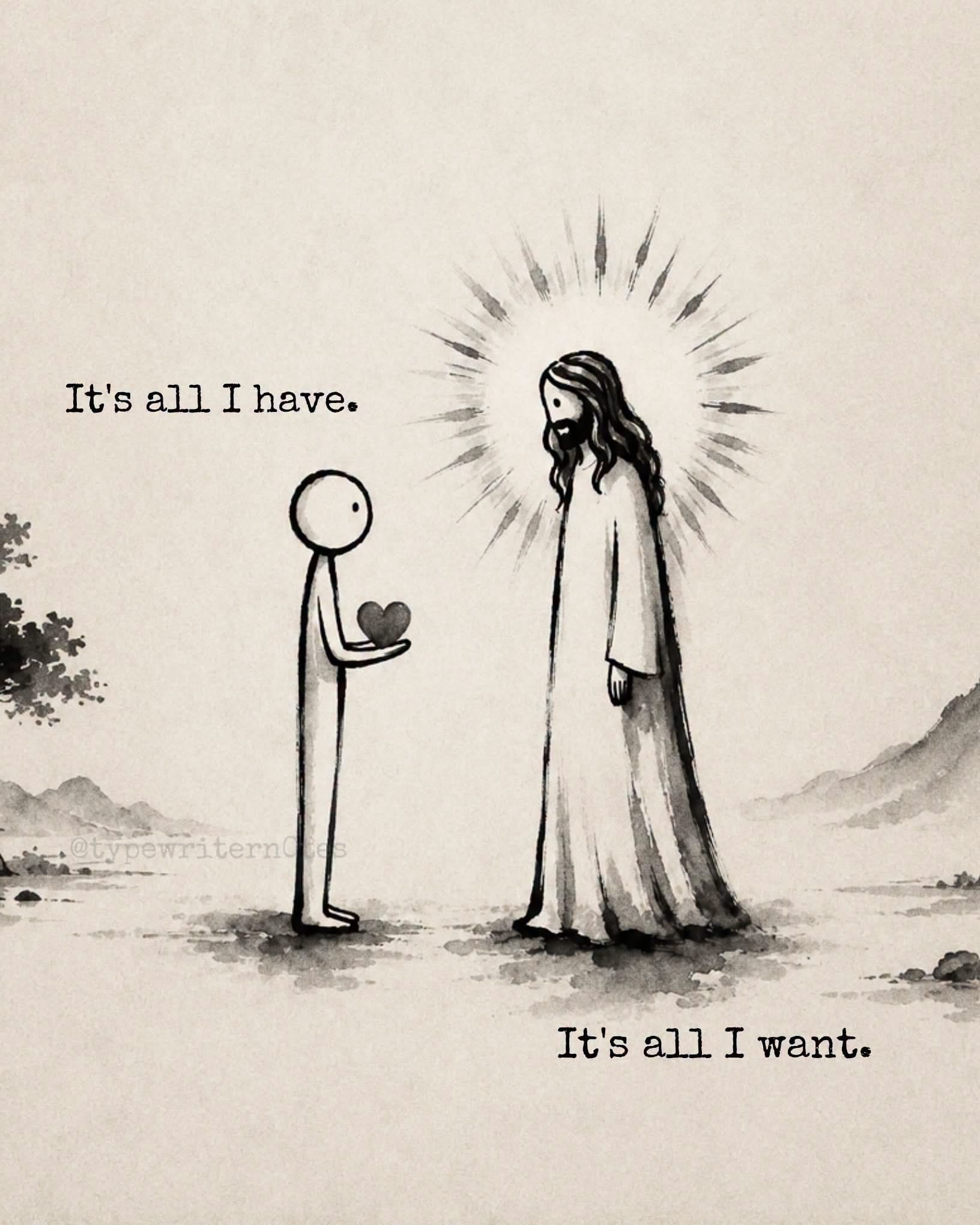
Jesus Christ

Some stories do not fade with time, they grow quieter, yet somehow more powerful, echoing across generations because they speak to something deeply human. This is one of them. It is not just about a man from the past, but about a way of living that still challenges us today: to love more openly, forgive more freely, and see one another with compassion in a divided world. Whatever you believe, this story has a way of meeting you where you are, and softly encouraging you to reflect on who you might become.
Algunas historias no se desvanecen con el tiempo; se vuelven más silenciosas y, sin embargo, de algún modo más poderosas, resonando a través de generaciones porque hablan a algo profundamente humano. Esta es una de ellas. No trata solo de un hombre del pasado, sino de una forma de vivir que aún hoy nos desafía: amar con mayor apertura, perdonar con más libertad y mirarnos unos a otros con compasión en un mundo dividido. Sea cual sea lo que creas, esta historia tiene la capacidad de encontrarte donde estás y de invitarte suavemente a reflexionar sobre en quién podrías llegar a convertirte.
Niektóre historie nie przemijają z czasem, stają się cichsze, a jednak w jakiś sposób bardziej poruszające. Rozbrzmiewają przez pokolenia, ponieważ dotykają czegoś głęboko ludzkiego. To jest jedna z nich. Nie chodzi w niej wyłącznie o człowieka z przeszłości, lecz o sposób życia, który wciąż stawia nam wyzwanie: kochać bardziej otwarcie, przebaczać z większą swobodą i patrzeć na siebie nawzajem ze współczuciem w podzielonym świecie. Niezależnie od tego, w co wierzysz, ta historia potrafi spotkać cię tam, gdzie jesteś, i skłonić do refleksji, kim możesz się stać.
There was once a man who never wrote a book, never held office, never traveled far from the dusty roads of his birthplace. He owned almost nothing. He died young. And yet, two thousand years later, his words still echo in the hearts of billions: believers and skeptics alike.
His name was Jesus.
What was it about this quiet carpenter from Nazareth that has refused to fade with time? Perhaps it was the radical simplicity of his message: love one another. Not the easy, conditional kind of love we reserve for those who agree with us, but a stubborn, expansive love that reached across every line humans had ever drawn, rich and poor, foreigner and neighbor, saint and outcast.
He sat with people the world had forgotten. He defended those no one else would defend. He spoke to children as if they mattered, to women as if they were equals, to enemies as if they were worth saving. In a world obsessed with power, he knelt to wash the feet of his friends.
"Blessed are the merciful, for they shall receive mercy."
His teachings cut to something deeper than religion, something profoundly human. Forgive, even when it's hard. Judge less, love more. Care for the stranger. Don't let bitterness build a home in your heart. These are not commandments locked in a single tradition; they are quiet invitations offered to anyone willing to listen.
He understood suffering. He wept at the grave of a friend. He felt betrayal, exhaustion, loneliness. And still, in his final moments, he chose forgiveness over revenge, whispering for those who had hurt him to be pardoned. That single act, choosing grace at the worst possible moment, has moved hearts for centuries.
Whatever you believe about who he was, it is hard to walk past his life unchanged. He showed us that gentleness is not weakness, that humility is its own kind of strength, and that the smallest acts of kindness can ripple outward in ways we cannot measure.
"Do unto others as you would have them do unto you."
So simple. So impossibly difficult. So necessary.
Maybe that is why his story still finds us, in every generation, in every language, on every continent. Not because he demanded our attention, but because, in a noisy world, his quiet love still has the loudest voice in the room.
And perhaps the best tribute we can offer is not in words, but in the way we live: a little more patient, a little more forgiving, a little more willing to see the divine spark in the person standing right in front of us.
That, in the end, may be the real miracle — the one he leaves in our hands.