Jalāl Rūmī

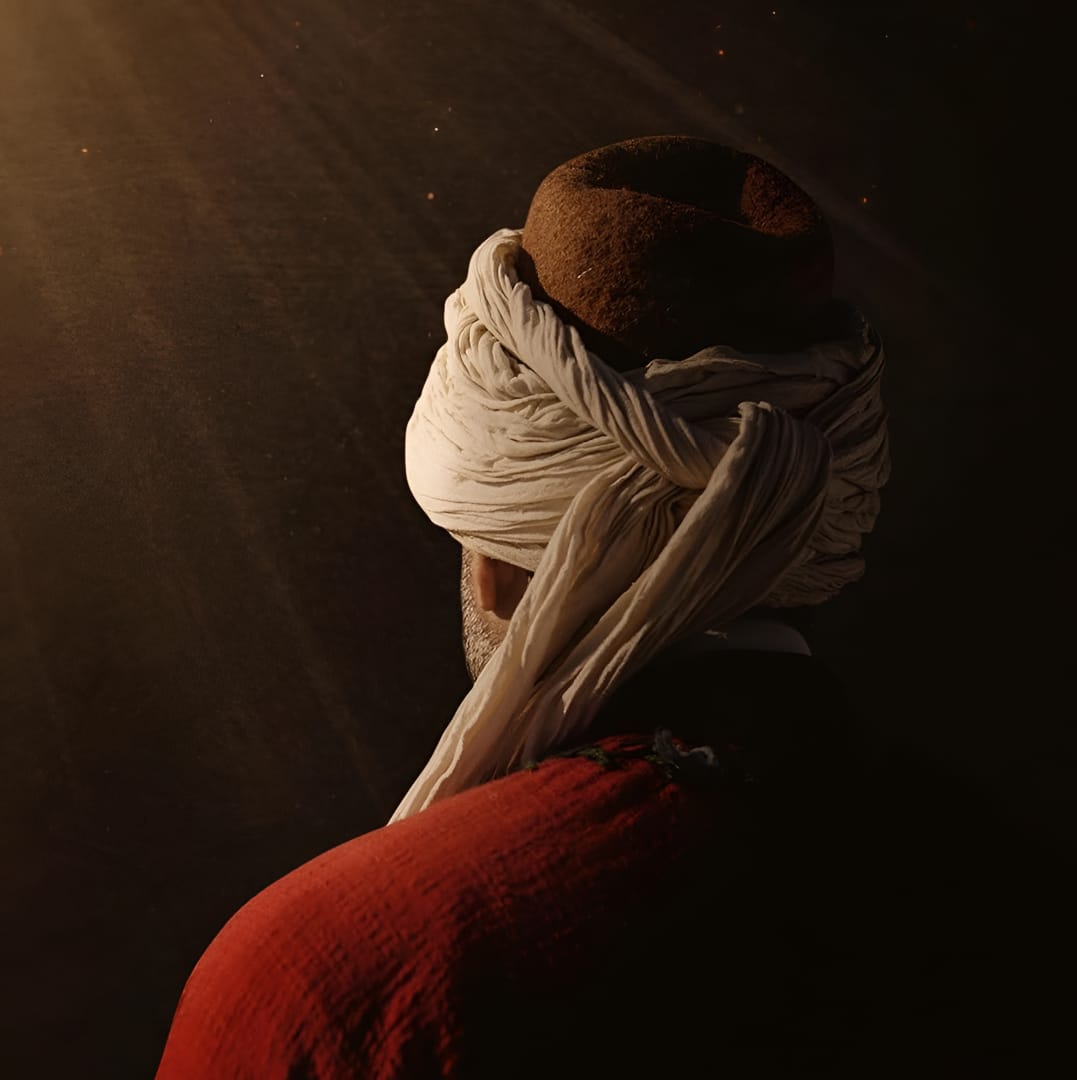
Jalāl ad-Dīn Muhammad Rūmī, a Persian poet, Islamic scholar, theologian, and mystic, was born in Balkh, in present-day Afghanistan, and eventually made his home in Konya, in modern-day Turkey, where he spent the majority of his life. His teachings weave together profound spirituality, boundless love, and a deep sense of human connection, securing his place as one of the most widely read poets in the world, even centuries after his passing.
Jalāl ad-Dīn Muhammad Rūmī, poeta persa, erudito islámico, teólogo y místico, nació en Balkh, en la actual Afganistán, y finalmente se estableció en Konya, en la Turquía moderna, donde pasó la mayor parte de su vida. Sus enseñanzas entrelazan una profunda espiritualidad, un amor infinito y un sentido profundo de la conexión humana, consolidando su lugar como uno de los poetas más leídos del mundo, incluso siglos después de su muerte.
Jalāl ad-Dīn Muhammad Rūmī, perski poeta, islamski uczony, teolog i mistyk, urodził się w Balkh, w dzisiejszym Afganistanie, a ostatecznie osiedlił się w Konyi, w dzisiejszej Turcji, gdzie spędził większość swojego życia. Jego nauki splatają głęboką duchowość, bezgraniczną miłość i silne poczucie więzi międzyludzkiej, zapewniając mu miejsce w gronie najczęściej czytanych poetów świata, nawet wieki po jego śmierci.
Spiritual Journey
Rumi grew up in a scholarly and religious family. His father, Baha’ Walad, was a theologian, which gave Rumi early exposure to Islamic philosophy and mysticism. His life changed dramatically when he met Shams of Tabriz, a wandering dervish. This intense friendship inspired Rumi to focus on love, divine longing, and inner transformation. After Shams’ mysterious disappearance, Rumi channeled his grief and devotion into poetry, producing some of the most profound spiritual literature ever written.
Major Works
- Masnavi – Often called “the Quran in Persian,” it is a six-volume epic of spiritual teaching, storytelling, and mystical philosophy.
- Divan-e Shams-e Tabrizi – A collection of lyric poems dedicated to Shams, full of ecstatic expressions of divine love.
Timeless Legacy
Rumi’s ideas transcend religion and culture. He taught that love is the path to God, that we can find the divine in everyone, and that joy and sorrow are both essential parts of the spiritual journey. Beyond his spiritual guidance, Rumi’s works have inspired countless scholars, artists, and writers around the world. His poems have been translated into dozens of languages, making him one of the most widely read poets of all time. Today, his legacy lives not only in books but also in music, dance, and art.