Hurricane Names

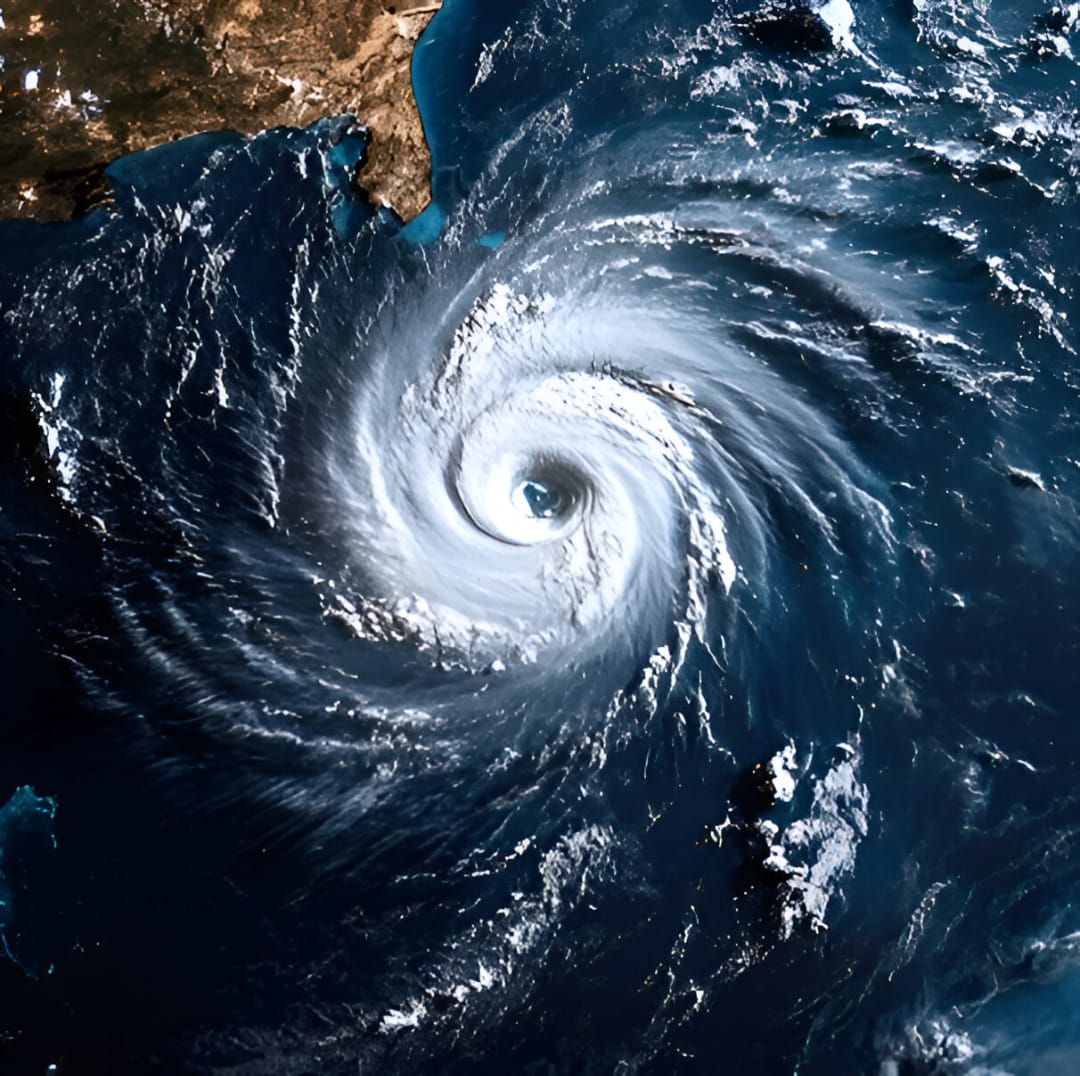
Hurricanes are not just storms of wind and water. They are stories unfolding across oceans, coastlines and communities. Every story begins with a name. Long before landfall, before headlines and warnings, a simple human name is spoken aloud, carrying urgency, memory, and meaning. That name is not chosen for drama or personality; it exists so danger can be understood, shared and taken seriously.
Los huracanes no son solo tormentas de viento y agua. Son historias que se desarrollan a través de océanos, costas y comunidades. Toda historia comienza con un nombre. Mucho antes de tocar tierra, antes de los titulares y las advertencias, se pronuncia en voz alta un nombre humano sencillo, cargado de urgencia, memoria y significado. Ese nombre no se elige por dramatismo ni por personalidad; existe para que el peligro pueda comprenderse, compartirse y tomarse en serio.
Huragany to nie tylko żywioł wiatru i wody. To historie rozgrywające się na oceanach, wybrzeżach i wśród ludzi. Każda historia zaczyna się od imienia. Na długo przed uderzeniem w ląd, zanim pojawią się nagłówki i ostrzeżenia, proste ludzkie imię jest wypowiadane na głos, niosąc ze sobą zagrożenie, pamięć i znaczenie. To imię nie jest wybierane ze względu na dramatyzm ani osobowość; istnieje po to, aby zagrożenie mogło być zrozumiane, przekazane dalej i potraktowane poważnie.
Are Hurricanes Named After People?
Yes, hurricanes are named using human names, but not after specific real people. The names are chosen in advance from official lists and are meant to be:
- Easy to pronounce
- Easy to remember
- Easy to communicate across languages
Before the 1950s, storms were identified by latitude, longitude or sometimes named after places or even saints’ days.
Who Decides Hurricane Names?
Hurricane names are selected and maintained by the World Meteorological Organization (WMO). For the Atlantic Ocean, which affects North America, Central America, the Caribbean, and parts of Europe, the WMO uses:
- Six rotating name lists
- Each list is reused every 6 years
- Names alternate between male and female
- Names are in English, Spanish and French to reflect the regions affected
The Standard Atlantic Hurricane Name Lists
Below are the complete normal lists, labeled by year cycle. After List 6, the system returns to List 1.
List #1
Ana, Bill, Claudette, Danny, Elsa, Fred, Grace, Henri, Ida, Julian, Kate, Larry, Mindy, Nicholas, Odette, Peter, Rose, Sam, Teresa, Victor, Wanda.
List #2
Alex, Bonnie, Colin, Danielle, Earl, Fiona, Gaston, Hermine, Ian, Julia, Karl, Lisa, Martin, Nicole, Owen, Paula, Richard, Shary, Tobias, Virginie, Walter.
List #3
Arlene, Bret, Cindy, Don, Emily, Franklin, Gert, Harold, Idalia, Jose, Katia, Lee, Margot, Nigel, Ophelia, Philippe, Rina, Sean, Tammy, Vince, Whitney.
List #4
Alberto, Beryl, Chris, Debby, Ernesto, Francine, Gordon, Helene, Isaac, Joyce, Kirk, Leslie, Milton, Nadine, Oscar, Patty, Rafael, Sara, Tony, Valerie, William.
List #5
Andrea, Barry, Chantal, Dexter, Erin, Fernand, Gabrielle, Humberto, Imelda, Jerry, Karen, Lorenzo, Melissa, Nestor, Olga, Pablo, Rebekah, Sebastien, Tanya, Van, Wendy.
List #6
Arthur, Bertha, Cristobal, Dolly, Edouard, Fay, Gonzalo, Hanna, Isaias, Josephine, Kyle, Laura, Marco, Nana, Omar, Paulette, Rene, Sally, Teddy, Vicky, Wilfred.
Supplemental Hurricane Name List
If all 21 names from a normal list are used in one season, meteorologists move to a supplemental list.
List #7
Adria, Braylen, Caridad, Deshawn, Emery, Foster, Gemma, Heath, Isla, Jaden, Kendra, Lucio, Makayla, Noah, Orlanda, Pax, Ronin, Sophie, Tayshaun, Viviana, Will.
Why Naming Hurricanes Matters
Using names instead of numbers helps:
- Reduce confusion during emergencies
- Improve communication in forecasts and news reports
- Make warnings clearer and more memorable
- Help the public take storms seriously
Research shows people respond faster and more accurately.
Why are some hurricane names not reused?
Names such as Katrina, Sandy, or Maria have been retired from the standard hurricane name lists because storms bearing those names caused such extensive destruction and loss of life that reusing them in the future would be insensitive and confusing for people who remember their tragedies.