Hare Krishna

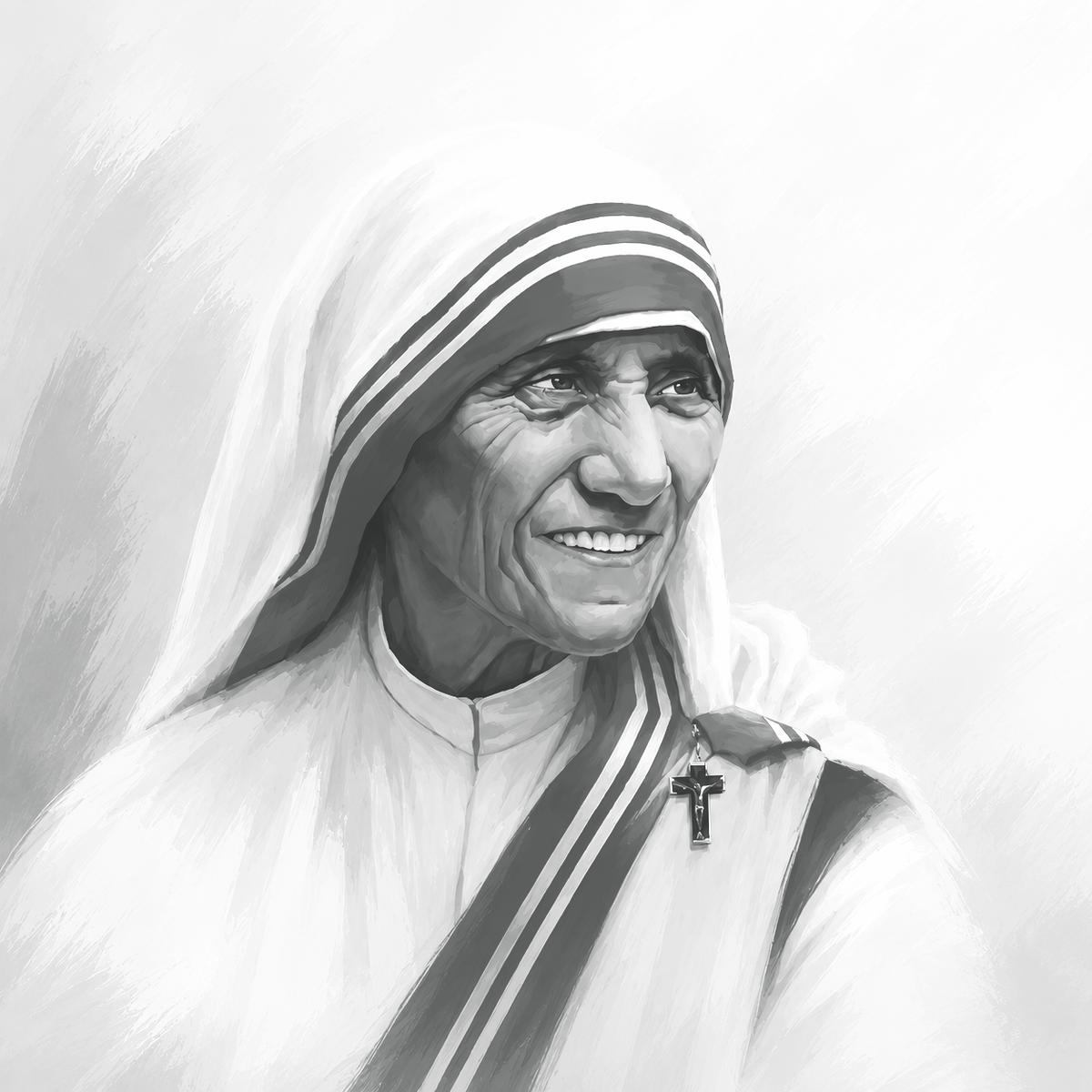
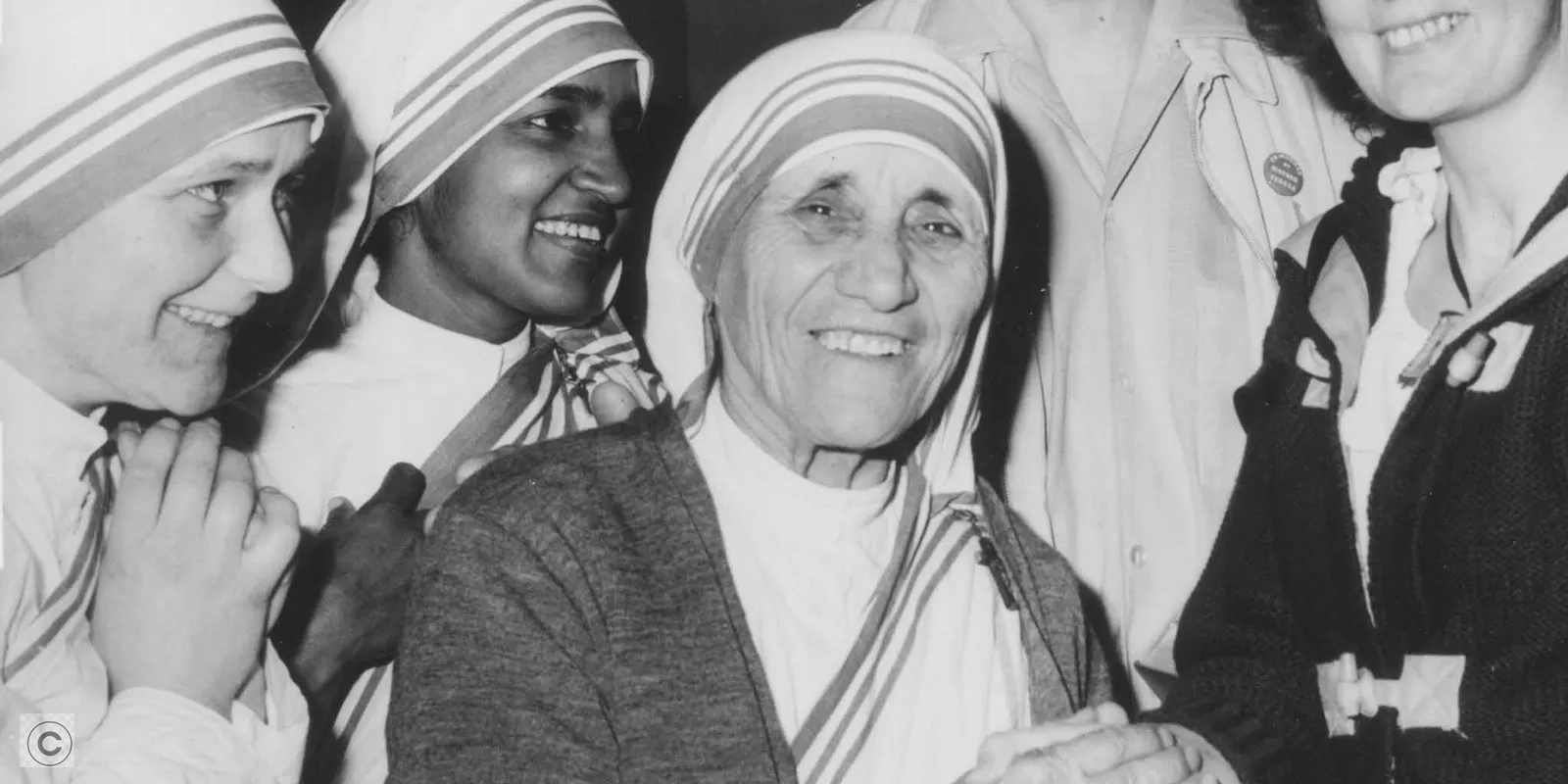
In the twentieth century, two religious figures traveled far from their places of birth and left a lasting impact on the world. One was Mother Teresa, a Catholic nun from Europe who became known for her service to the poor in India. The other was A. C. Bhaktivedanta Swami Prabhupada, an Indian spiritual teacher who journeyed to New York City and founded a global movement dedicated to devotion to Krishna.
En el siglo XX, dos figuras religiosas viajaron lejos de sus lugares de origen y dejaron una huella duradera en el mundo. Una fue la Madre Teresa, una monja católica europea que llegó a ser conocida por su servicio a los pobres en la India. El otro fue A. C. Bhaktivedanta Swami Prabhupada, un maestro espiritual indio que viajó a la ciudad de Nueva York y fundó un movimiento mundial dedicado a la devoción a Krishna.
W XX wieku dwie postacie religijne opuściły swoje rodzinne strony, odbyły dalekie podróże i wywarły trwały wpływ na świat. Jedną z nich była Matka Teresa, katolicka zakonnica pochodząca z Europy, która zasłynęła ze swojej służby na rzecz ubogich w Indiach. Drugą był A. C. Bhaktivedanta Swami Prabhupada, indyjski nauczyciel duchowy, który udał się do Nowego Jorku i założył ogólnoświatowy ruch poświęcony oddaniu Krysznie.
Who Was Prabhupada
A. C. Bhaktivedanta Swami Prabhupada was an Indian spiritual teacher and Hindu monk who founded the International Society for Krishna Consciousness (ISKCON), commonly known as the Hare Krishna movement, in New York City in 1966. Drawing upon the Gaudiya Vaishnava tradition of India, Prabhupada introduced Krishna devotion to a global audience. Through his writings, lectures, and missionary efforts, he established temples and communities around the world and became one of the most influential religious figures of the twentieth century.
Core Beliefs of Krishna Consciousness
The Krishna Consciousness movement teaches several fundamental ideas:
Krishna Is the Supreme Person
Krishna is regarded as the original and supreme form of God. Other divine manifestations are understood in relation to Krishna.
The Soul Is Eternal
Human beings are not merely physical bodies. According to this teaching, the soul is eternal and survives death. The soul is reborn according to the law of karma.
The Material World Is Temporary
Material pleasures, achievements, and sufferings are temporary. Lasting fulfillment comes through spiritual realization rather than material success.
Devotion Is the Highest Path
The movement emphasizes bhakti, or loving devotion to God. This devotion is cultivated through prayer, worship, study, service, and remembrance of Krishna.
Chanting God's Names
Prabhupada taught that chanting the Hare Krishna mantra is one of the most effective spiritual practices in the present age. The mantra is intended to help practitioners focus their minds on God and awaken spiritual consciousness.
Disciplined Living
Traditional followers are encouraged to avoid meat-eating, gambling, intoxication, and illicit sexual activity. These practices are viewed as supporting spiritual development and self-discipline.
Prabhupada's Central Message
Prabhupada often emphasized a simple but profound idea:
"You are not your body; you are an eternal soul. The purpose of life is to revive your loving relationship with Krishna, who is God."
Human beings are spiritual by nature, and life's ultimate purpose is to reconnect with God through loving devotion.
Comparison with Other Religious Traditions
Krishna Consciousness shares some similarities with other faiths while maintaining distinctive teachings.
- Compared with Buddhism, it places much greater emphasis on a personal God.
- Compared with many forms of Christianity, it shares the ideas of loving God and eternal spiritual life but includes the doctrines of karma and reincarnation.
- Compared with Advaita Vedanta, associated with Adi Shankaracharya, it teaches that the soul and God remain eternally distinct while also being intimately connected through devotion.
Prabhupada and Mother Teresa: An Interesting Contrast
Prabhupada and Mother Teresa were both internationally recognized religious figures of the twentieth century, yet their missions differed significantly.
| A. C. Bhaktivedanta Swami Prabhupada | Mother Teresa |
|---|---|
| Hindu monk and spiritual teacher | Catholic nun and missionary |
| Focused on spreading devotion to Krishna and religious teachings | Focused on caring for the poor, sick, and dying |
| Founded ISKCON | Founded the Missionaries of Charity |
| Known for translating and teaching sacred scriptures | Known for humanitarian and charitable work |
| Brought his message from India to the West | Came from Europe to India and made India her home |
Mother Teresa was born in present-day North Macedonia and later moved to India as a young nun. She became closely identified with Kolkata through her lifelong service there.
The contrast is striking: Prabhupada traveled from Kolkata to New York to spread a spiritual movement internationally, while Mother Teresa traveled from Skopje to Kolkata and became famous for her humanitarian work. One is remembered primarily as a religious teacher and founder of a devotional movement; the other is remembered primarily for service to the poor.

Conclusion
Prabhupada's teachings can be summarized in a simple phrase:
"Chant Hare Krishna, remember God, live simply, and cultivate loving devotion to Krishna."
This leads to steady remembrance of Krishna and inner spiritual growth.