Foundation Soup

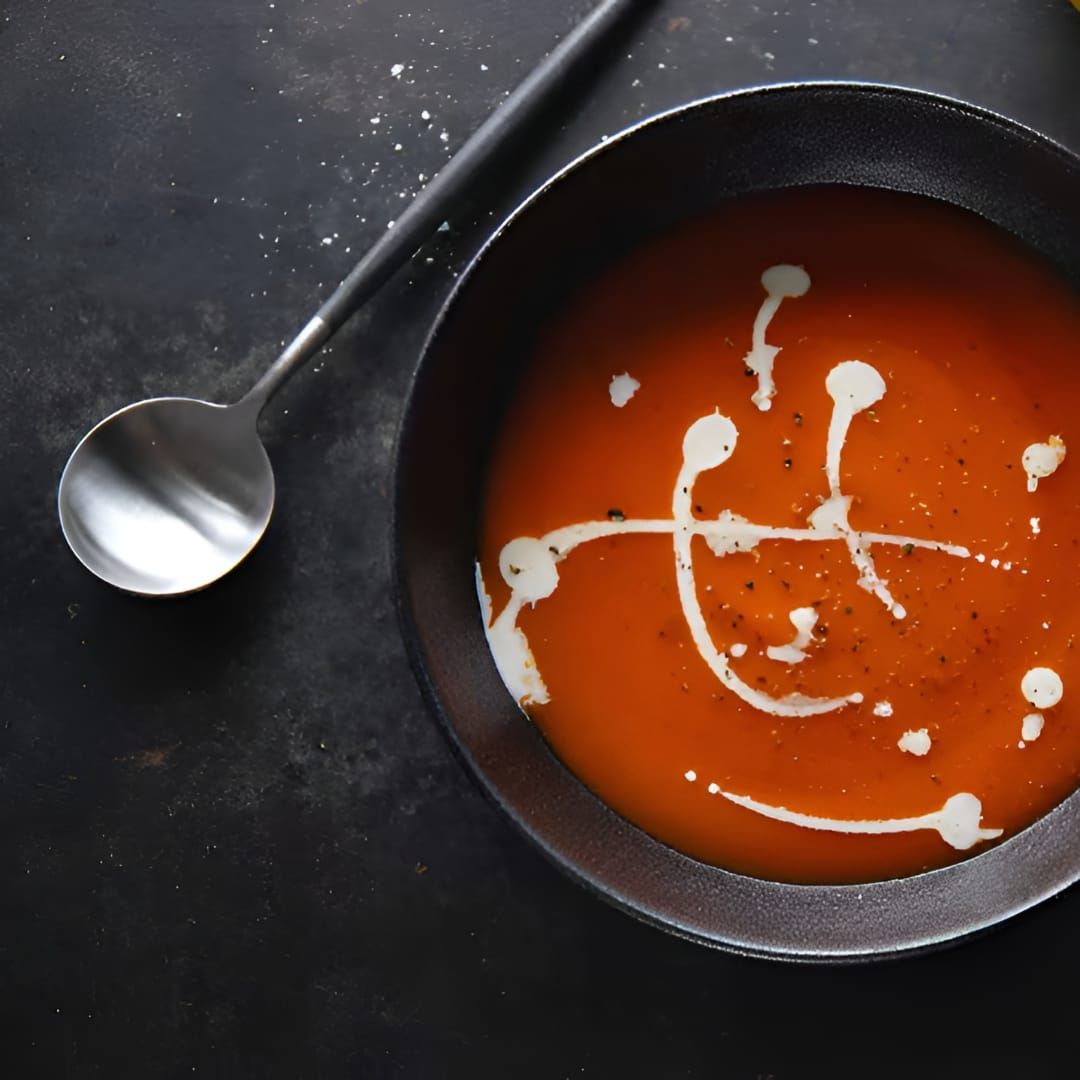
Some dishes do not need to be spectacular to become staples of everyday cooking. They simply need to be simple, filling, packed with vegetables, easy to store, and versatile enough that you will not get tired of them after a few days. Foundation Soup was designed with exactly that idea in mind. It is a hearty vegetable-and-legume soup that can be prepared in a large batch, divided into portions, and frozen. More importantly, you do not have to eat exactly the same soup all week. The same base can become several completely different versions.
Algunos platos no necesitan ser espectaculares para convertirse en básicos de la cocina cotidiana. Solo tienen que ser sencillos, saciantes, estar llenos de verduras, ser fáciles de conservar y lo bastante versátiles como para que no te canses de ellos después de unos días. La Sopa Base fue creada exactamente con esa idea en mente. Es una sopa sustanciosa de verduras y legumbres que puede prepararse en grandes cantidades, dividirse en porciones y congelarse. Y, lo que es más importante, no tienes que comer exactamente la misma sopa durante toda la semana. Una misma base puede convertirse en varias versiones completamente diferentes.
Niektóre dania nie muszą być spektakularne, aby stać się podstawą codziennej kuchni. Wystarczy, że są proste, sycące, pełne warzyw, łatwe do przechowywania i na tyle uniwersalne, aby nie znudziły się po kilku dniach. Zupa Fundament powstała właśnie z myślą o tym. To pożywna zupa warzywno-strączkowa, którą można przygotować w większej ilości, podzielić na porcje i zamrozić. Co ważniejsze, nie trzeba jeść dokładnie tej samej zupy przez cały tydzień. Ta sama baza może stać się podstawą kilku zupełnie różnych wersji.
Why This Combination?
The main principle behind this soup is the combination of several food groups:
lentils + vegetables + whole grains + olive oil
Together, they create a meal that provides plant-based protein, fiber, folate, and a range of minerals and other nutrients.
Lentils and Chickpeas
Legumes are one of the foundations of the recipe. They provide:
- protein,
- fiber,
- folate,
- minerals,
- complex carbohydrates.
Combining lentils with chickpeas also gives the soup a satisfying, substantial texture.
Plenty of Vegetables
Carrots, onions, celery, bell peppers, broccoli, and spinach or kale add variety and make the soup much more than simply a legume-based dish.
Whole Grains
Pearl barley or another whole grain can be added to make the soup more substantial and satisfying as a main meal.
Extra Virgin Olive Oil
Two tablespoons of olive oil go into the base, but you can also drizzle a little fresh olive oil over each serving. This adds flavor as well as another source of dietary fat.
Recipe for Six Large Servings
Ingredients
Base
- 250 g dry lentils — preferably green or brown
- 200 g cooked chickpeas
- 120 g pearl barley or another whole grain
- 500 g chopped tomatoes or tomato passata
- 300 g carrots
- 250 g onions
- 200 g celery root or stalk celery
- 200 g bell pepper
- 200 g broccoli
- 150–200 g spinach or kale
- 4 garlic cloves
- 2 tbsp extra virgin olive oil
- 1.5–2 liters water or unsalted vegetable stock
Spices
- 1–2 tsp turmeric
- 1 tsp sweet or smoked paprika
- 1 tsp ground cumin
- black pepper
- oregano
- thyme
- 1 bay leaf
- a small amount of iodized salt
To Serve
Each portion can be finished with:
- 1 tsp ground flaxseed
- a drizzle of fresh olive oil
- lemon juice
- fresh parsley
- optionally, 1 tbsp chopped walnuts
These finishing touches are what allow the same base to taste different from one serving to the next.
How to Make Foundation Soup
1. Start with the Aromatics
Lightly sauté the onion, carrot, celery, and bell pepper in olive oil for a few minutes.
The goal is not to fry the vegetables heavily. You simply want to develop their aroma and flavor.
Add the garlic and spices and heat briefly.
2. Add the Tomatoes and Legumes
Simmer over low heat until the lentils and grains are tender:
- tomatoes,
- lentils,
- chickpeas,
- pearl barley,
- water or vegetable stock.
The exact cooking time will depend on the type of lentils and grain you use, so check the texture toward the end of cooking.
3. Add the More Delicate Vegetables Toward the End
Add the broccoli and spinach or kale during the final few minutes of cooking.
This prevents them from being unnecessarily overcooked and helps them retain more of their texture and flavor.
4. Finish with a Little Acidity
This is one of the simplest ways to improve the flavor of the soup.
Add a little lemon juice after cooking.
The acidity makes the soup taste fresher, lighter, and more vibrant.
One Base, Four Different Soups
If Foundation Soup is going to be part of your regular meal rotation, there is no reason to eat exactly the same version 365 days a year.
Instead, keep the core formula:
lentils + vegetables + whole grains + olive oil
and change the flavor profile.
🔴 Tomato & Smoked Paprika
Take the soup in a classic, smoky direction with:
tomato + smoked paprika + cumin + oregano + thyme + lemon.
🟢 Green & Lemon
Take the soup in a fresher, lighter direction with:
spinach + broccoli + peas + lemon juice + fresh dill + parsley.
🟣 Asian-Inspired
Take the soup in a savory, aromatic direction with:
lentils + mushrooms + cabbage + ginger + garlic + sesame.
🟠 Moroccan-Inspired
Take the soup in a warm, fragrant direction with:
carrots + pumpkin + chickpeas + cumin + coriander + ginger.
What to Add Just Before Serving
Not everything needs to go into the pot.
This is particularly useful if you are preparing the soup for several days or planning to freeze it.
Add these ingredients fresh to individual servings:
- olive oil,
- ground flaxseed,
- lemon juice,
- fresh parsley,
- fresh herbs,
- walnuts,
- seeds.
This keeps the base relatively neutral and allows you to customize every portion depending on what you feel like eating.
How to Store the Soup
If you are making a large batch, freezing is a better option than keeping the entire pot in the refrigerator for many days.
After cooking:
- Divide the soup into individual portions.
- Cool it quickly.
- Transfer it to airtight containers.
- Leave some headspace for expansion during freezing.
- Freeze as quickly as possible.
- Store at around −18°C / 0°F.
It is also a good idea to label the containers with the date.
When properly frozen, the soup can be kept for an extended period, although its quality will gradually decline over time. Flavor and texture are usually the first things to suffer.
What About Freeze-Drying?
If the goal is to create something like:
“Cook it once and store it for a very long time without a freezer.”
then freezing is not the only interesting option.
A much more intriguing direction would be freeze-drying.
In simple terms, the process would look like this:
cook → freeze-dry → package airtight → store → add water
This is a completely different preservation technology from ordinary freezing and could create a product designed for long-term storage without requiring a freezer.
For a project focused on convenience and long-term storage, this is arguably a more interesting direction than trying to keep a wet soup in the refrigerator for weeks or months.
Soup as a System
The most interesting thing about Foundation Soup is not whether it is the best soup in the world. It is the way of thinking about cooking behind it. Instead of starting from scratch every day, you can prepare one large, nourishing base and then change its character with fresh toppings, herbs, spices, and other ingredients. One day it can be tomato and smoked paprika. The next, green and lemony. Another day, Moroccan-inspired. Later, it can become a completely different Asian-inspired version. It is a simple approach that combines meal-prep convenience, variety, and less food waste. That is why Foundation Soup is more than a recipe. It is a framework for everyday cooking: one nourishing base, endless variations, and less work every day.